We are officially halfway through March, and the global wine industry is vibrating with a high-stakes “double-pulse.” In the Southern Hemisphere, we are in the adrenaline-fueled tail-end of a frantic harvest. In the North, the first green tissue is emerging in a fragile “Great Awakening.”
And then there is the third pulse: the one currently thumping in my temples as I navigate the “Triple-Pulse”—the South, the North, and the unrelenting bureaucracy of transit visa restrictions bestowed upon South African citizens just trying to reach the other side of Heathrow…
The South: The Three-Week Sprint
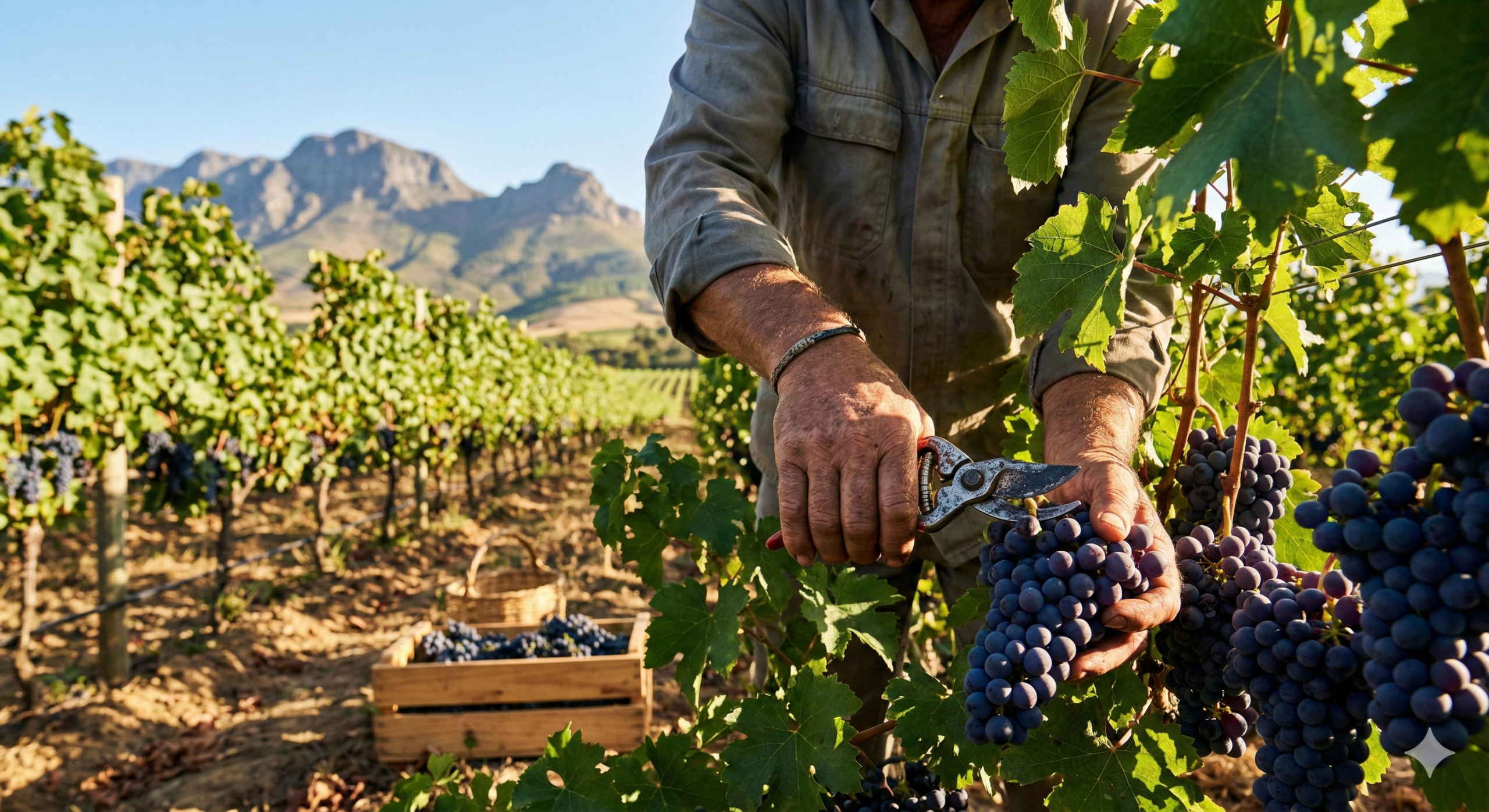
In the Western Cape, the 2026 harvest isn’t just early; it’s practically sprinting. We’re seeing ripening occur two to three weeks ahead of the long-term average. While the heat has winemakers sweating, the quality is remarkably stable. Early Sauvignon Blanc and Chenin indicate vibrant fruit and crisp acidity—essentially “summer in a glass” for those of us still stuck in the SA sun.
The strategy here has shifted to “fit-for-purpose” replantings. With our national vineyard at roughly 86,544 hectares, we’re choosing vines that can handle the “new normal” of warmer cycles. It’s about resilience, both in the soil and the cellar.
The Sensory Soul: Mos & Mosbolletjies
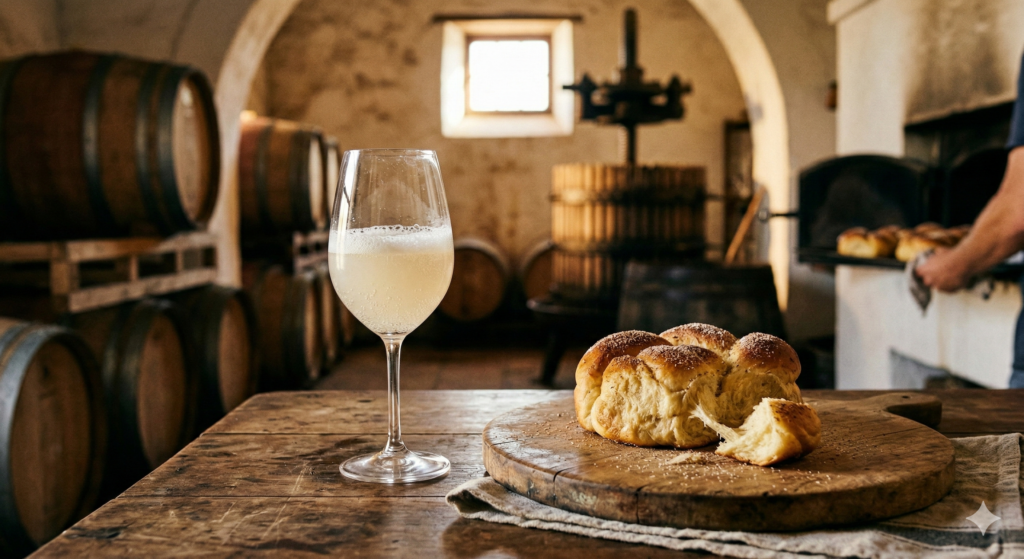
While winemakers obsess over Balling (sugar) levels, the rest of the Cape is focused on the Mos (grape must). Caught in that first 24 hours of fermentation, it’s the “living” heart of the cellar—sweet, buzzing, and naturally effervescent.
For a few weeks in March, this juice becomes the primary leavening agent for Mosbolletjies, traditional, aniseed-scented sweet buns that are a staple of the Cape Winelands. The soft, stringy texture of the bread is a direct result of the active fermentation in the must.
This tradition is the ultimate example of harvest-time ingenuity. By using the byproduct of the wine press to bake, the industry connects the labor of the vines to the comfort of the morning table. In 2026, we are seeing a resurgence in “Mos” awareness as consumers seek out the probiotic and antioxidant benefits of these traditional fermented flavors.
The North: The “Great Awakening”
In Italy, March is “The Great Awakening.” From Tuscany to Bordeaux, vines are entering Bud Break, the moment when the first green tissue emerges.
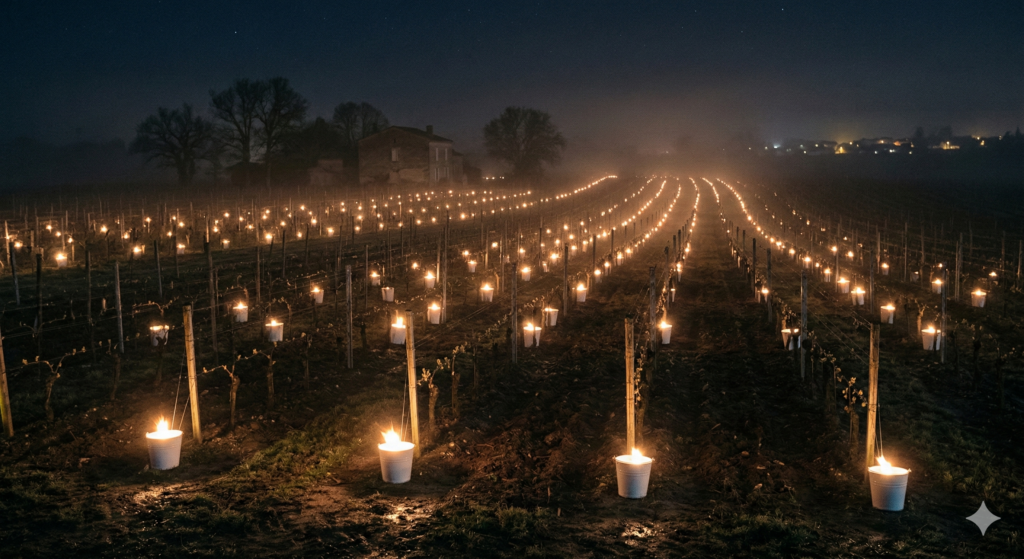
This is the most dangerous time for Northern vintners. Early bud break leaves tender new growth vulnerable to “black frosts.” In 2026, the use of bougies (vineyard candles) and frost-prevention fans has become a global visual symbol of climate resilience.
At the ProWein 2026 trade fair in Düsseldorf (March 15–17), the industry is moving toward “Urban Gastronomy”, making wine service more casual and “vibey” to counter declining purchase power in traditional markets.
The “Terroir-Blocked” Consultant
There is a certain light-hearted irony in being a Hospitality Lead who is currently experiencing a total lack of hospitality at the airport departure desk. I was meant to be on-site at Castello Sonnino by now, settling in preparing for the coming weeks with the team. I am missing the first week of the new season due to a “vintage” performance by BA and a few paperwork hurdles.
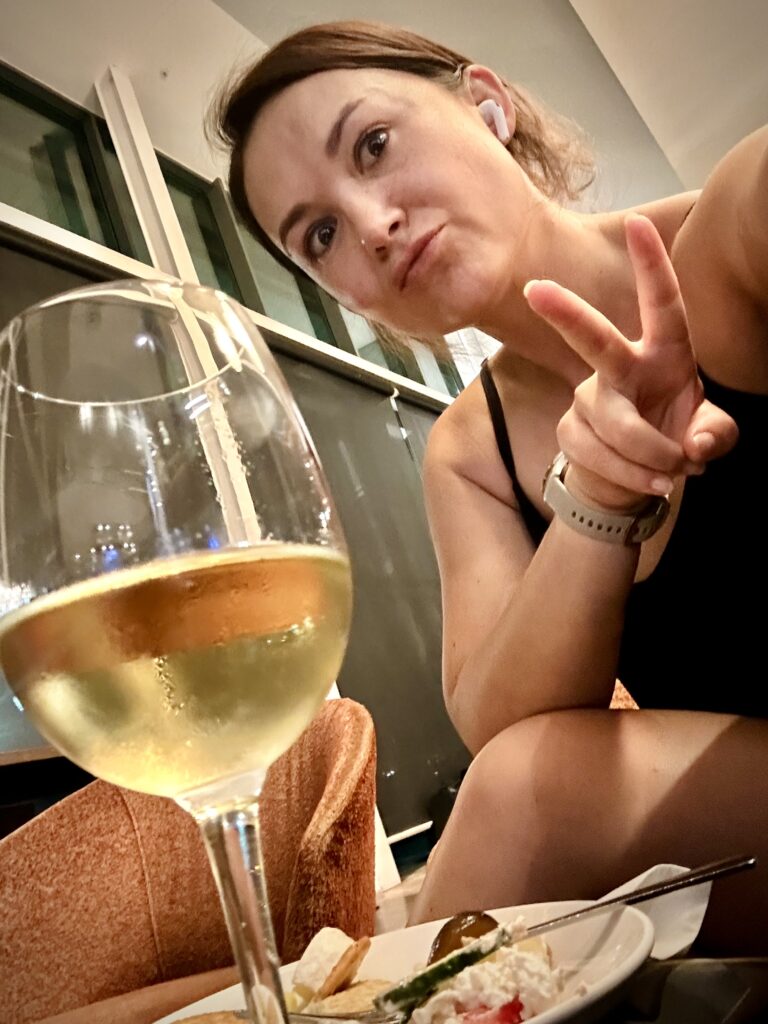
As we say in the trade: Agility is the new currency. If you can’t be in the cellar, you might as well be at the airport lounge celebrating International Riesling Day (March 13), reflecting on how the vessel is the “Architect” of the experience—even if that vessel is a plastic cup in a terminal.
The Verdict: Drink Less, Better, and Faster
International Riesling Day celebrates not just a grape, but how we experience it. The vessel truly shapes the moment—Riedel in a Franschhoek cellar or a casual glass in a Milan bistro. The rising preference for varietal-specific stemware reflects a broader ethos: quality over quantity, always favoring “less but better.”
In March 2026, one truth stands out: success in wine demands momentum. Winemakers and consultants who thrive are those adept at matching the physical pace of harvest in one hemisphere with the evolving economic “vibe” of the other. Whether navigating an early Cape vintage or the first bud break in Tuscany’s hills.